
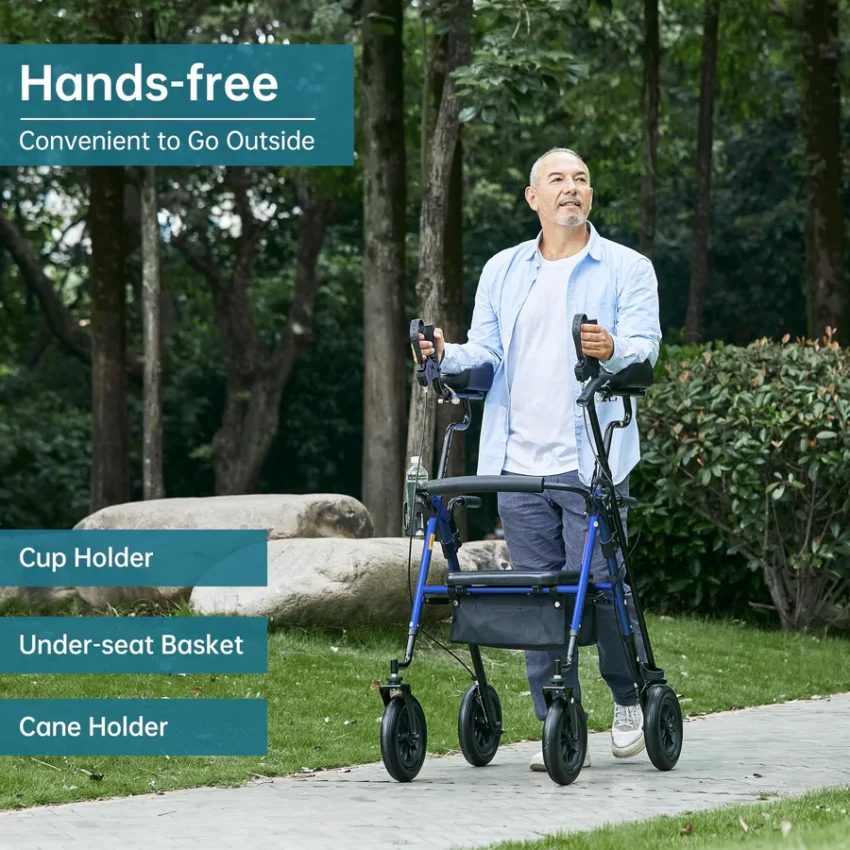
Getting older doesn’t mean giving up your independence—it just means you might need a little help now and then. And when walking becomes a bit shaky, a rollator walker for elderly can make a world of difference. But when is the right time to get one?
It’s not always obvious. Some folks wait until they’ve had a fall. Others notice it when daily errands start to feel like marathons. The truth is, needing a rollator walker doesn’t mean you’re weak—it just means you’re being smart about staying safe and mobile.
Let’s talk about the signs, the situations, and the real-life reasons why a rollator might be the right move.
You’re Getting Tired Faster Than Usual
If you used to stroll around the block without thinking twice, but now you’re huffing and puffing halfway through, that’s a sign your body’s asking for backup.
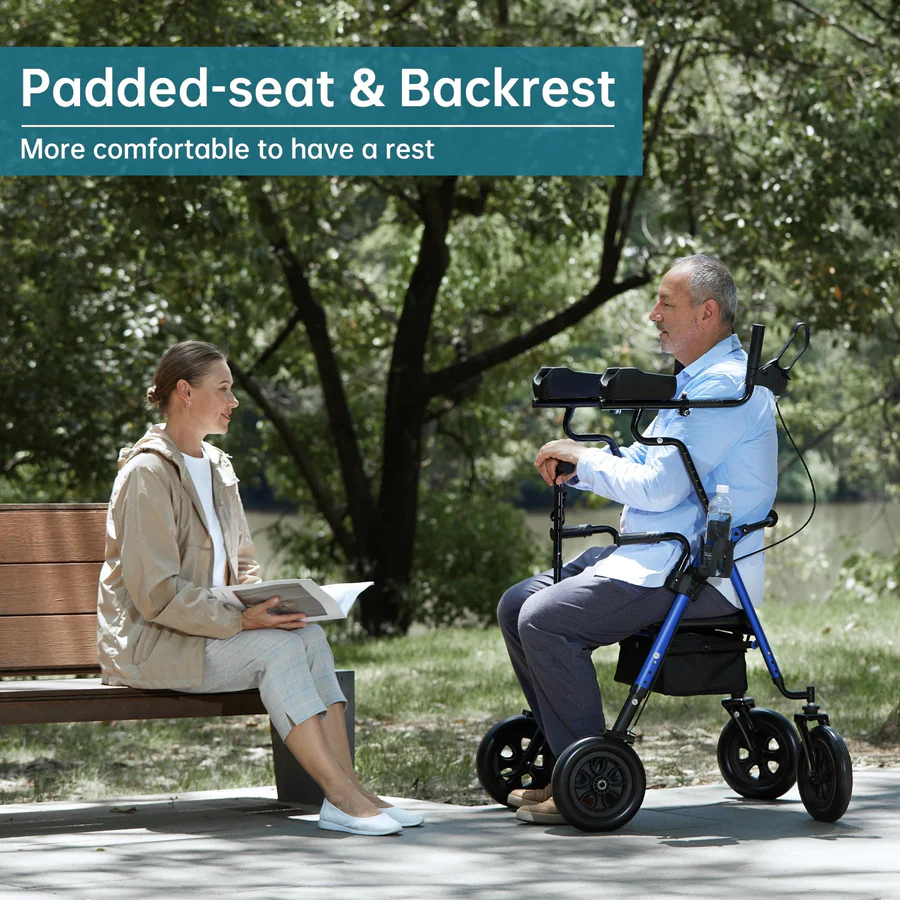
A rollator gives you that support while walking—and if it has a seat, you can take a break whenever you need. It’s perfect for long grocery store trips, walks in the park, or even just getting across a big house.
Your Balance Feels a Little Off
Wobbly steps, near-falls, or that “whoa” feeling when you stand up—those are red flags. You might still be walking, but it’s not steady like it used to be.
That’s where a rollator comes in. It gives you something solid to hold onto, which helps you feel more secure and lowers the risk of slipping or tipping over. No need to lean on furniture or walls to get around.
You’ve Had a Fall (Or Almost Had One)
A stumble in the kitchen. A slip on the porch. A scary moment on the sidewalk.
Even if you didn’t get hurt, that “close call” can stick in your mind. If you’ve already fallen—or even just come close—it’s probably time to bring in some extra support.
A rollator walker can help stop those close calls from turning into real injuries. It’s not about giving up movement—it’s about protecting it.
Your Legs Just Don’t Feel as Strong
Muscle loss is a normal part of aging. But when it gets to the point where standing up, walking across the room, or even just getting to the bathroom feels like a workout, a rollator can help lighten the load.
It takes the pressure off your legs and helps distribute your weight more evenly, so you don’t feel like your knees are doing all the work.
You’re Avoiding Outings or Activities
If you’ve stopped going to the grocery store, attending family events, or even taking your usual walk because you’re worried about getting too tired or needing to sit—don’t just accept that as your new normal.
A rollator with a seat gives you freedom to do more, not less. You can rest when you need to, walk longer without fear of fatigue, and go back to enjoying your day without second-guessing your steps.
You’re Recovering from Surgery or Illness
Whether it’s a hip replacement, knee surgery, or a long hospital stay that left you feeling weaker than usual, recovery takes time—and support.
A rollator helps you get moving again, safely and at your own pace. You can slowly build your strength without pushing your limits or risking another trip to the hospital.
You Rely on Walls, Counters, or Furniture to Get Around
A lot of people don’t even realize they’re doing it—but if you find yourself reaching for walls or furniture every time you move around the house, that’s a big clue.
A rollator gives you steady, reliable support wherever you go—not just in the living room. And unlike a countertop or couch, it moves with you.
Standing for Long Periods is Tough
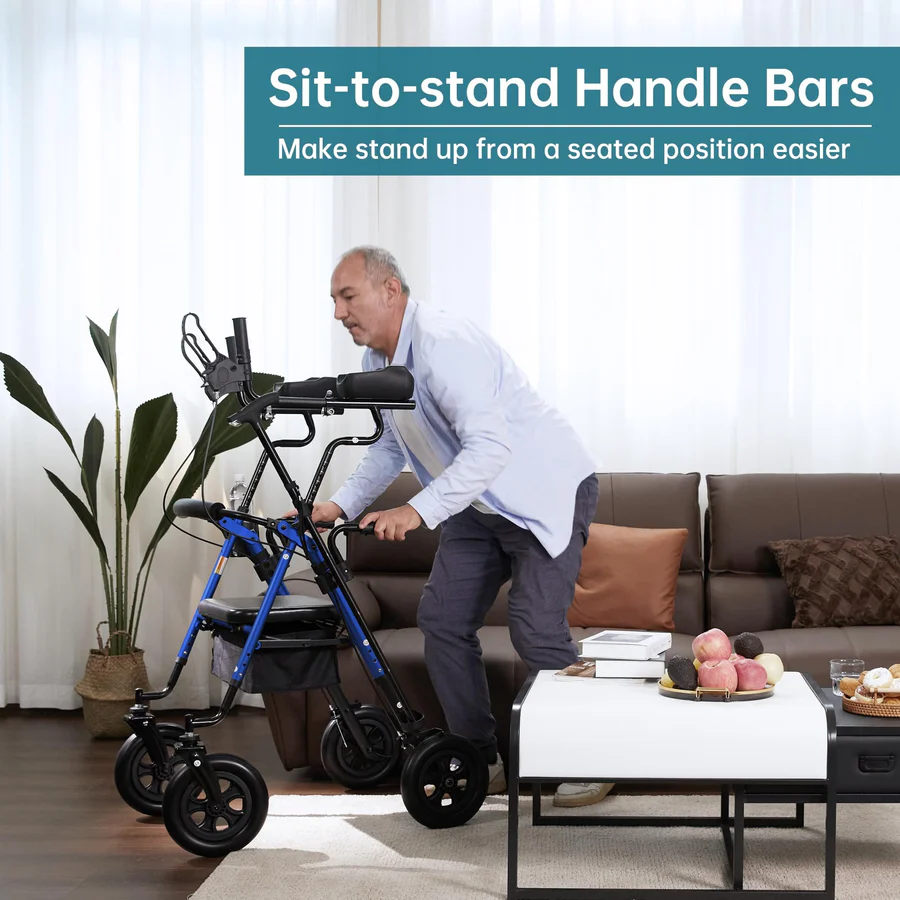
Some tasks—cooking, brushing your teeth, doing laundry—require you to be on your feet for a while. If standing for even 10 minutes makes you feel like your legs are giving out, you might benefit from a rollator with a seat.
It gives you a mobile chair and walking aid in one. You can move around the kitchen, prep your meal, and take a quick seat when you need it.
You Want to Feel More Independent
A rollator isn’t just about physical support—it’s about emotional freedom too.
If you’ve been relying on others more than you’d like, a rollator can help you feel in control again. You don’t have to wait for someone to walk with you or hold your arm. You can move at your own speed, on your own terms.
You’re Nervous Walking Outside or in Crowds
Sidewalk cracks. Busy sidewalks. Crowded stores. These things can make walking stressful if your balance isn’t great.
Rollators offer a wider base, smoother movement, and better control than basic walkers. Some even come with larger wheels for outdoor terrain. You’ll feel more secure whether you’re crossing a street or rolling through a farmer’s market.
You’ve Been Told to Use One, But Haven’t Yet
Sometimes, a doctor or physical therapist will recommend a walker—and people hesitate. Maybe it feels like a big step. Maybe you’re worried what others will think. But if a medical professional has suggested one, there’s probably a good reason.
Using a rollator doesn’t mean you’ve given up. It means you’re being proactive. And chances are, once you try it, you’ll wonder why you waited.
Signs You Might Be Ready for a Rollator:
- You’re slower than usual and get tired easily
- You’ve fallen or nearly fallen recently
- You feel unstable on your feet
- Standing for more than a few minutes wears you out
- You need to sit down frequently while walking
- You’ve stopped doing things you used to enjoy because of walking issues
If any of those sound familiar, it might be time to give a rollator a try.
Needing a little support doesn’t mean losing your freedom. In fact, a rollator walker can be what keeps you active, confident, and independent. Whether you’re out on a walk, cooking dinner, or just moving from room to room, the right rollator can make each step easier—and a whole lot safer.
If your body is giving you signals, it’s okay to listen. Sometimes, rolling forward is the best way to keep going strong.